Join us for a special RCH Grand Rounds celebrating International Day of People with Disability (IDPwD), featuring a panel discussion: “The disability policy and practice landscape is changing: finding a pathway through”
Date: Wednesday 2 December 2026
Time: 12:30 to 1:30pm
Location: Ella Latham Auditorium, Royal Children’s Hospital, 50 Flemington Road, Parkville, VIC 3052
Online link: >>Click here to join
The Grand Round will be a hybrid event, so you are welcome to join us online or in person. If you can make it to the Royal Children’s Hospital, we would love to see you there and invite you to join us for a catered afternoon tea immediately afterwards at Synapse, Level 5, MCRI.
We hope you can join us for the discussion and stay for an opportunity to connect and continue the conversation afterwards.
This year International Day of People with Disability (IDPwD) celebrates the 20th anniversary of the Convention on the Rights of People with Disability. This year’s theme is “The CRPD at 20: Building on progress and advancing the future”. In Australia, we have both Australia’s Disability Strategy and the National Disability Insurance Scheme (NDIS) as two mechanisms to ensure the rights outlined in the Convention can be realised in practice.
While individualised funding schemes are available elsewhere in the world, the NDIS is unique in the way it operates. For many people with disability, the support it has provided has been truly life changing – the chance to choose and organise services and supports the way that works best for them and to get the outcomes they want.
The NDIS has therefore made an extraordinary difference to many people’s lives. But it is also true that not everyone has been able to share in its benefits. The dominance of the NDIS has also meant other forms of support have fallen away – or never been provided in the first place. The scheme has not always helped to drive inclusion in the community in the way that was originally imagined all those years ago.
In response, governments around Australia are working on a wide range of changes to both disability policy and practice. There are policy initiatives like Thriving Kids to provide supports to children with developmental delay or autism who will no longer be eligible for the NDIS. There are also big changes to the way the NDIS operates. All these changes in a short period of time creates a great deal of uncertainty – and anxiety.
This year’s IDPwD Grand Round will feature a panel discussing the changes mostly likely to impact children and young people growing up with developmental concerns, delay or disability and their families. The panel will look at what is changing, why it is changing and the ways in which everyone can work together to prepare for what lies ahead.
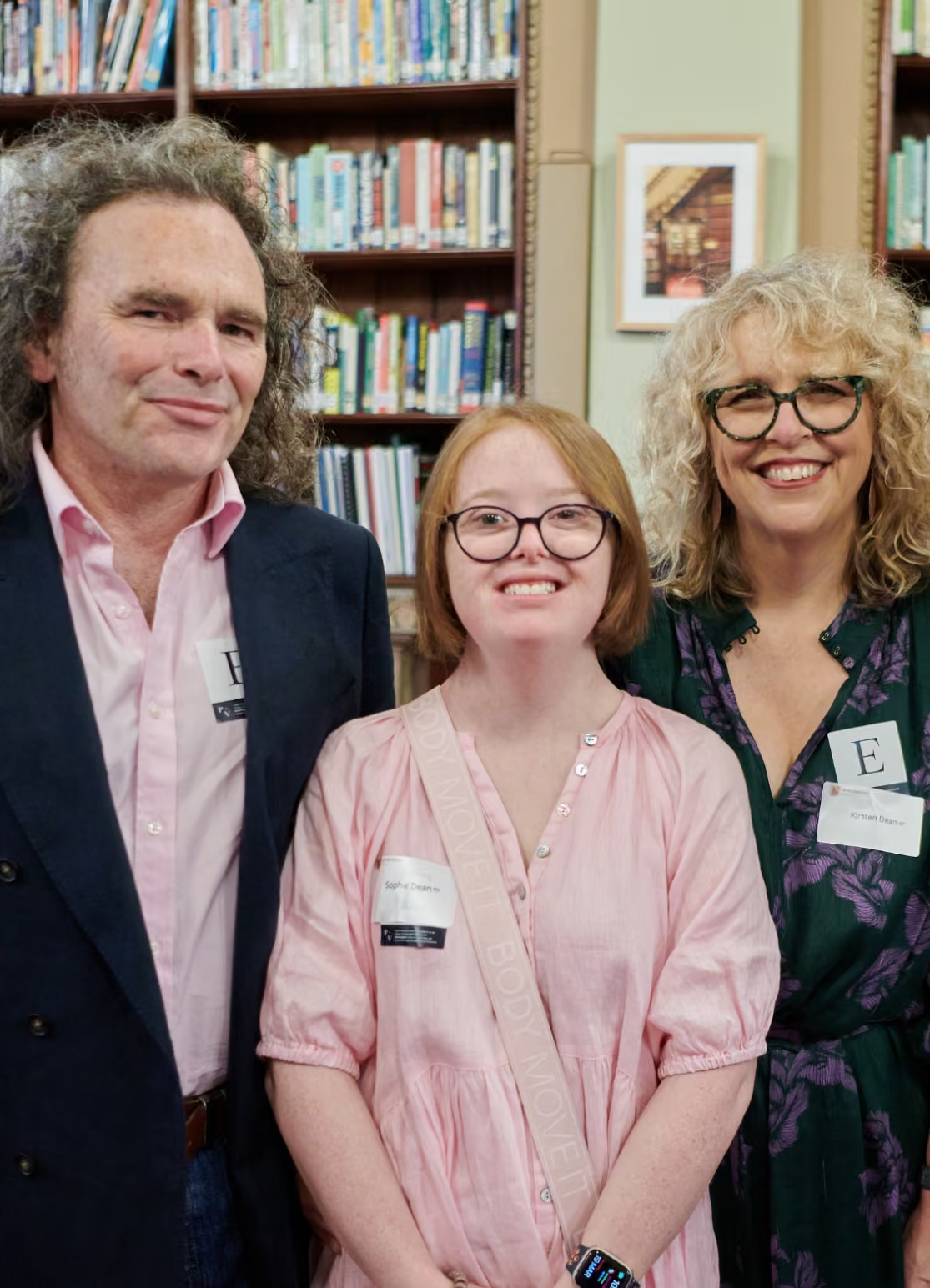
Prof. Kirsten Deane (she/her): Kirsten is the Deputy Director of the Melbourne Disability Institute (MDI). Based at the University of Melbourne, MDI brings researchers together with people with disability, families, government and non-government organisations to produce research that has real-world impact on policy and practice and helps to build a more inclusive and equitable society. With more than 20 years’ experience in the disability sector and a background in research, policy, advocacy, campaigning and communications, Kirsten is best known for her role as Campaign Director of Every Australian Counts, the grassroots campaign that fought for the introduction of the National Disability Insurance Scheme. Kirsten has three children, including a daughter with Down syndrome.
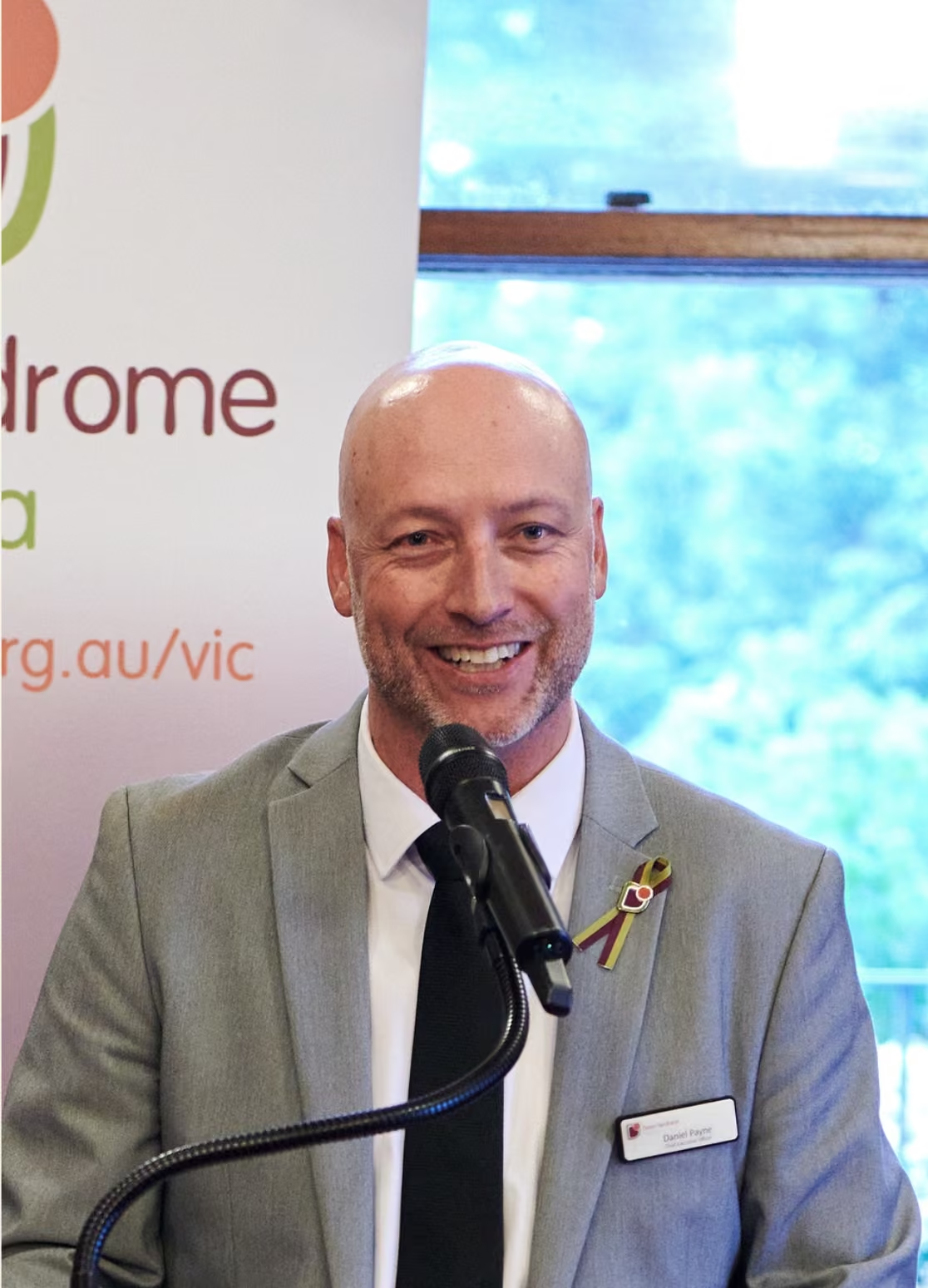
Mr Daniel Payne (he/him): Daniel is the CEO of Down Syndrome Victoria (DSV), leading the organisation’s work alongside people with Down syndrome and their families to build more inclusive communities and create greater opportunities for participation, employment and belonging. After a career in the corporate sector, Daniel transitioned into the community and disability sector, bringing his commercial and leadership experience to organisations focused on creating meaningful social impact. He also brings his lived experience as a parent to a daughter with Down syndrome. He is passionate about turning inclusion into practice and is currently leading an exciting new chapter for DSV, including its relocation to the Royal Children’s Hospital precinct and the opening of DailyGood Café, a new social enterprise creating meaningful employment opportunities for people with Down syndrome.
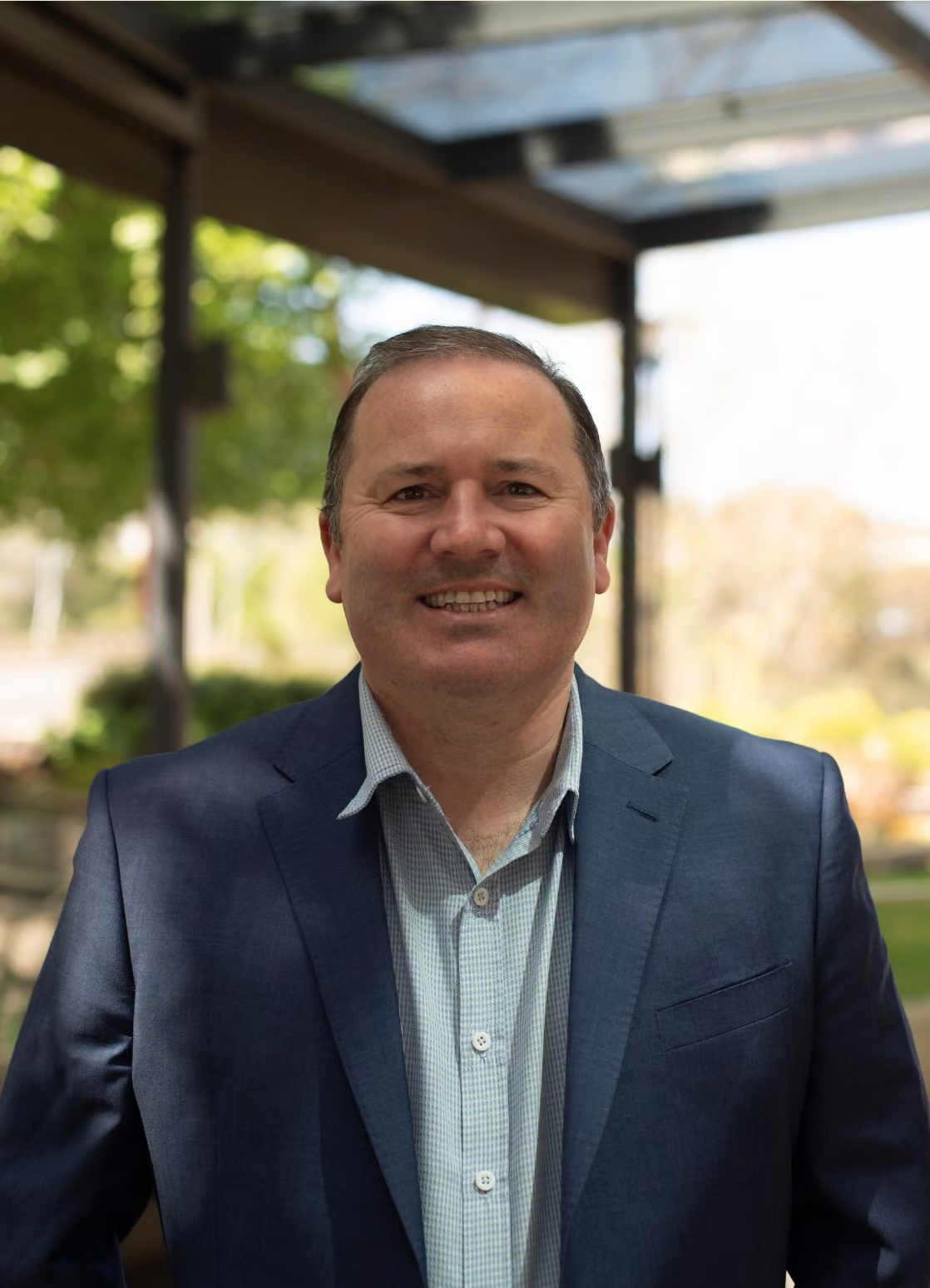
Mr David Tonge (he/him): David is the CEO of Amaze Inc, a leading Australian autism organisation. He was previously Amaze’s Chief Operating Officer and Acting CEO, where he transformed the Autism Connect helpline into a national service. His prior experience includes roles at The Royal Children’s Hospital and the Better Health Company. He holds an MBA from the Australian Institute of Management, a Graduate Certificate in Education (Autism) from Queensland University of Technology and is a Graduate of the Australian Institute of Company Directors. David is committed to promoting autism inclusion and supporting families across Australia.
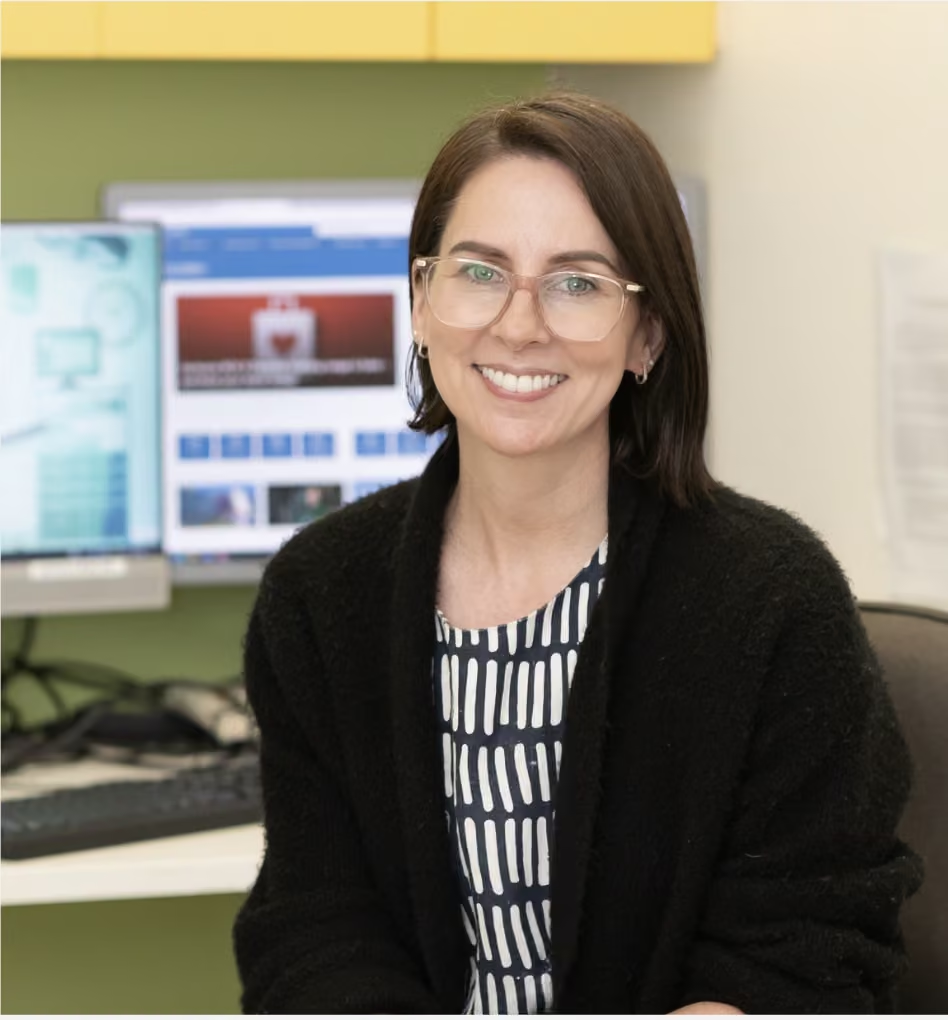
Ms Joanne Rowe (she/her): Jo is the Program Lead for the Disability Liaison and NDIS Navigation Service at The Royal Children’s Hospital (RCH) Melbourne. This team of senior Allied Health clinicians work alongside children and young people with disability, their families, and healthcare teams to improve access to equitable, inclusive and person-centred healthcare. This includes supporting reasonable adjustments, care coordination, discharge planning, health system navigation, and connections between health, disability and community services. Jo has a particular interest in reducing health inequities and driving system-level improvements, including the implementation and use of the Victorian Hospital Self-Report Disability Identifier to better understand and respond to the needs of patients with disability.
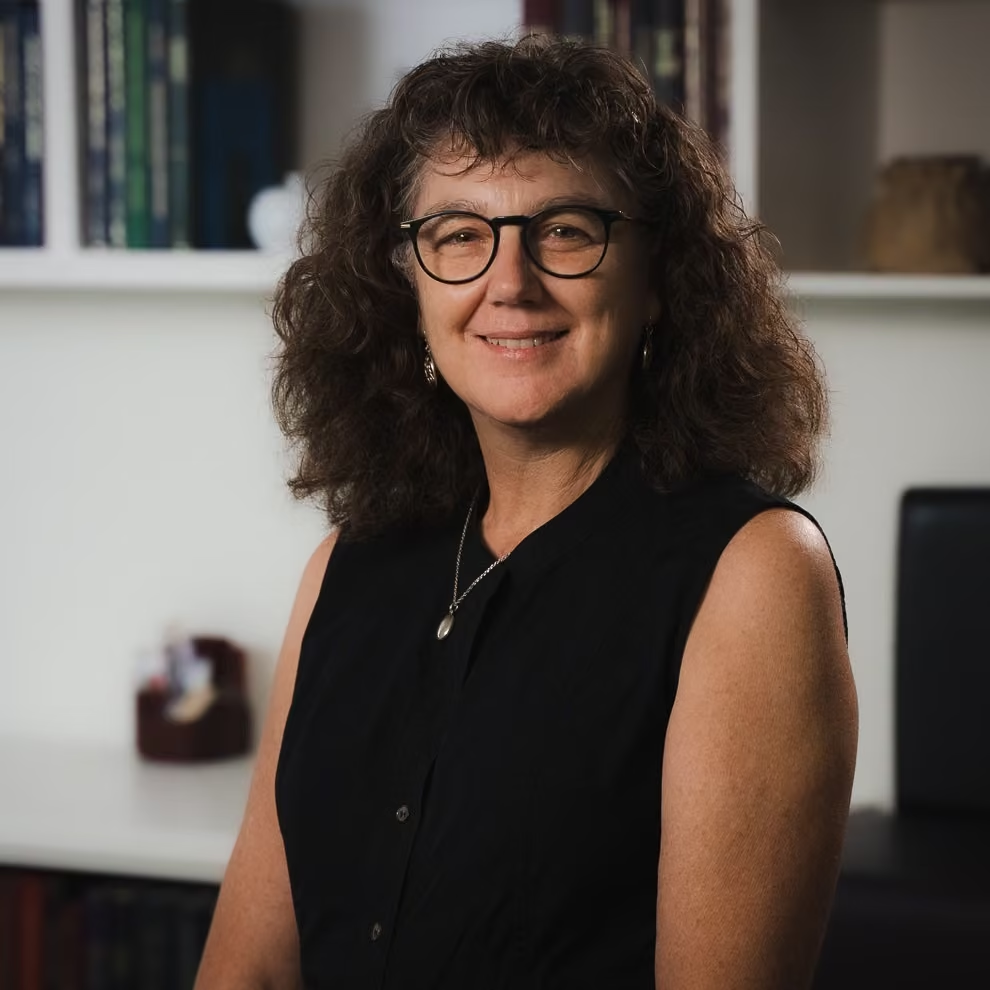
Prof. Christine Imms (she/her): Christine is Apex Australia Foundation Chair of Neurodevelopment and Disability at the University of Melbourne and The Royal Children’s Hospital, and the founding Director of Healthy Trajectories, a child and youth disability research hub. The mission of Healthy Trajectories is to work together with young people with disability, families, professionals, and allies to co-produce and translate research to improve lives, strengthen systems and services, and reshape how communities understand and include people with disability. Currently, Christine is also co-Chair of the NDIS Technical Advisory Group for Functional Capacity Assessment, a group established to provide advice regarding the implementation of access amendments to the NDIS Act.